Why Near-Miss Stories Make Almost Feel Like a Result
Near-miss stories explain why almost can feel like a result, helping you separate a vivid memory from what the game actually decided.
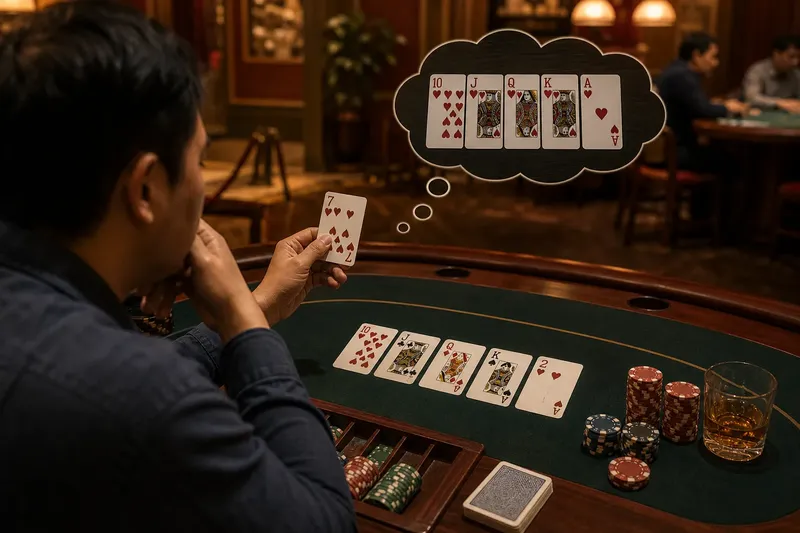
A player remembers the card that would have completed a hand more clearly than the cards actually dealt. A near-miss story gives that absent card a starring role, though it had no part in the result.
In casino culture, the distinction matters: “almost” can describe a feeling or a striking image, but it does not turn a loss into a promise. The useful question is what the game recorded, not what the story can imagine.
What makes a near-miss story stick?
A plain loss has a simple shape: the desired result did not happen. A near miss adds a visible comparison between the result and a winning arrangement, or between an outcome and a person’s target. The gap becomes the focus.
That gap invites a counterfactual: the hand might have succeeded if one card had been different. The imagined ending can feel unfinished, even though the game has already produced a complete result.
Stories often gain tension from a character who comes close to a goal and then misses it. A player’s retelling can borrow the same shape. Its narrative force belongs to the account, not to the game’s next result.
What does a near miss mean in a card game?
A win is whatever the game’s rules recognise as a winning result. A near miss is an informal description of a loss that looks close to a desired pattern. Unless the rules assign it a separate status, it is not a partial win.
For example, a hand may seem one card short of a combination. The missing card was never dealt, so it is not part of the result. The hand’s resemblance to a winning pattern changes how it may be remembered, not what the rules say happened.
This is why it helps to distinguish the displayed or remembered arrangement from the game’s actual outcome. If the rules list a reward for a particular hand, that rule decides. If they do not, “almost” is a description of perception, not a category.
Does a near miss make another attempt seem sensible?
A narrow miss can make effort feel relevant: another try seems as though it might finish the job. In a game governed by chance, however, the previous result does not make the next one a continuation of the same hand.
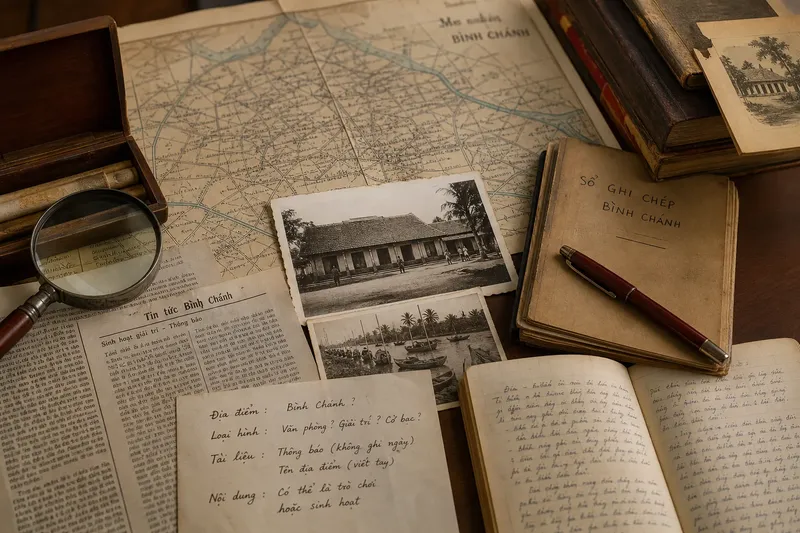
Say a player in an invented Bình Chánh card room is dealt a fictional hand one card short of a combination and considers entering another round. The player checks the hand against the posted rules, confirms it is a loss, and treats the next deal as a separate result. The decision is then whether to play for independent reasons or stop, rather than to chase the absent card.
Routine losses may blur together, while a near miss supplies a crisp image to remember. That can make a session seem crowded with almost-wins, even though each hand remains its own result.
It is not worth decoding a sequence of cards as a clue. A memorable pattern is an invitation to tell a story, not a prediction the event can supply.
What do readers ask about near-miss stories?
Does a near miss make a win more likely next time?
Not by itself. The next outcome follows the game’s rules and result process; the closeness of the previous hand does not make it a continuation.
Is a near miss the same as a partial win?
Only if the rules recognise and reward that result. A hand that merely resembles a winning pattern remains a loss under those rules.
Why do near misses stay in memory?
They supply a specific alternative to imagine: one card arriving or a target being reached. That imagined version can feel more vivid than an outcome with no resemblance to success.
Can a near miss explain how a game works?
It can show how an outcome was presented, but appearance alone does not explain the game’s mechanics. Check the published rules and relevant game information instead of inferring them from a striking moment.
How can you separate the story from the result?
First, name the actual outcome in the terms the rules use: a win, a loss, or another recognised result. Then describe “almost” as a reaction to the display or the hand, rather than as an extra result.
Next, keep the imagined alternative separate: what might have happened if one detail had changed. That counterfactual can explain why the moment felt charged, but it cannot tell you what will happen next.
The near-miss story has a particular use: it explains why an interrupted expectation can loom larger than an ordinary loss. When recalling one, keep the absent card in the story and out of the record. That small distinction preserves the memory without asking it to predict anything.